



The Technology Behind Plant-Based Syrups and Infusion Science
1. Introduction: The New Era of Plant-Based Syrups
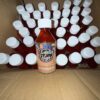
High Tek Cannabis Syrup is an expertly crafted beverage infusion designed for those seeking a potent, yet flavorful cannabis experience. Each bottle contains 250mg of THC, with a suggested serving size of 1 ounce (30ml), delivering 125mg of THC per portion. This gluten-free product can be easily blended into any beverage of your choice, making it a versatile option for customized cannabis consumption.
Aroma and Flavor
While the specific flavor depends on the variant you choose, you can expect a delightful and complementary taste profile that’s designed to enhance your drinking experience. The premium hash rosin infusion ensures a rich, authentic cannabis essence that balances well with the added flavoring.
Vibe
High Tek Cannabis Syrup transforms any occasion into a unique and elevated experience. Whether you’re relaxing at home, socializing with friends, or enjoying a creative endeavor, this syrup adds a layer of sophistication and enjoyment. Its easy-to-use format allows for seamless integration into a variety of drinks, tailoring the level of buzz to your preference.
Effects
Expect a powerful and long-lasting effect from this potent syrup. Given the high THC content, users will likely experience intense euphoria, heightened sensory perception, and deep relaxation. Start with a smaller dose to gauge your tolerance, and always enjoy responsibly to maximize the benefits without overwhelming effects.
The Rise of Functional Syrups in Modern Markets
Over the last decade, the global demand for functional beverages has expanded rapidly. Health-aware consumers are embracing products that deliver nutritional benefits alongside great flavor. Syrups, once seen simply as sweeteners or flavor bases, have evolved into complex infusions enriched with botanicals, antioxidants, vitamins, and adaptogens. This evolution marks the birth of functional plant-based syrups—liquid concentrates that do more than enhance taste; they support active lifestyles and wellness goals.
Brands are now investing heavily in infusion science, refining how plant compounds interact with natural sweeteners, stabilizers, and solvents. Advanced research in molecular gastronomy and food chemistry has enabled syrup developers to preserve the integrity of natural compounds like polyphenols, terpenes, and essential oils. These breakthroughs redefine what syrups can achieve, transforming them from basic beverage components into sophisticated delivery systems of bioactive ingredients.
The Convergence of Nature and Technology
The foundation of plant-based syrup technology lies in balancing the wisdom of nature with the precision of science. Modern extraction and infusion methods—such as ultrasonic processing, cold pressing, and nanoemulsion technology—allow producers to harness delicate botanical essences without degrading their quality. These technologies enhance solubility, stability, and absorption, leading to better flavor consistency and functional efficiency.
This convergence of natural purity and scientific advancement has propelled syrup formulation into a new era. Producers can now control molecular interactions at the microscopic level, ensuring that every drop of syrup delivers predictable performance, vibrant color, and authentic taste. It’s a revolution driven by data, chemistry, and consumer consciousness.
2. Understanding Syrup Science: Composition and Function
To understand why modern High tek cannabis syrup have become such a powerful medium for flavor, wellness, and functional formulation, we must first understand the science behind their composition. A syrup is more than a mixture of sweetener and water; it’s a carefully engineered system where molecular balance, solubility, and stability define both its quality and usability. In today’s world, syrup science bridges chemistry, sensory design, and food engineering, transforming a simple concept into a technological art form.
The Pluto Labs approach to precision formulation demonstrates how attention to molecular structure and interaction between ingredients can create consistent results across every batch. Understanding syrup composition begins with an appreciation of its key components—solvents, solutes, stabilizers, and functional actives—all working together to form a stable, flavorful, and bioavailable system.
The Core Composition of Plant-Based Syrups
A typical syrup formulation consists of three fundamental components:
A solvent, usually purified water or a natural alternative like coconut water or glycerin.
A solute, generally a sweetening agent such as organic cane sugar, agave nectar, stevia, or fruit-derived glucose.
Functional additives, which include plant extracts, vitamins, essential oils, or flavoring compounds.
However, the artistry lies in balancing these elements to achieve optimal viscosity, stability, and taste delivery. Too much sugar or insufficient binding can lead to crystallization or separation, while improper emulsification may cause ingredients to lose potency or color. Scientists and formulators rely on rheology—the study of fluid behavior—to fine-tune these properties and ensure consistency under various storage conditions.
The Molecular Structure and Viscosity Chemistry
Viscosity is what gives a syrup its recognizable texture—the smooth, thick consistency that defines both mouthfeel and performance. This property depends on the hydrogen bonding between water and sugar molecules, forming a semi-structured matrix that holds the solution together.
When plant-based sweeteners are used, they interact differently with water molecules than refined sugar does, creating unique viscosity profiles. For instance, agave syrup forms a looser molecular lattice, resulting in a lighter texture, while date syrup offers denser bonding, leading to a richer flow. Understanding these interactions allows engineers to manipulate viscosity to suit the syrup’s intended use—whether as a pourable mixer, a concentrated extract, or a shelf-stable tonic.
To maintain structural harmony, formulators use natural hydrocolloids like xanthan gum, guar gum, or pectin, which act as thickeners and stabilizers. These components increase viscosity without altering flavor, ensuring that suspended plant compounds remain evenly distributed throughout the liquid.
The Role of Solubility and Emulsification
One of the greatest challenges in syrup formulation is solubility—the ability to dissolve active compounds uniformly within the base liquid. Many plant extracts and essential oils are hydrophobic, meaning they don’t mix naturally with water. To solve this, manufacturers use emulsifiers—agents that bind water and oil molecules together to form stable blends.
3. The Evolution of Infusion Technology
High tek cannabis syrup—the process of transferring natural compounds, aromas, and active ingredients from plants into a carrier liquid—has existed for centuries. Yet, only recently has it evolved into a precise science powered by technology and engineering. What was once a slow, manual process relying on temperature and time has now transformed into an optimized system governed by chemistry, data, and automation. The evolution of infusion technology represents a remarkable fusion between traditional wisdom and modern innovation, allowing manufacturers to produce plant-based syrups that are more potent, stable, and sustainable than ever before.
In this section, we explore how infusion moved from its early roots to today’s advanced methods like ultrasonic extraction, nanotechnology, vacuum infusion, and CO₂-assisted systems, revolutionizing the creation of modern syrups and botanical beverages.
From Tradition to Technology: The Origins of Infusion
Infusion began as a simple yet effective method for extracting flavors and benefits from botanicals. Ancient civilizations—Egyptian, Chinese, Indian, and Mediterranean cultures—boiled or steeped herbs in water or oils to create medicinal and aromatic mixtures. These early infusions relied on time, temperature, and manual control, producing results that were effective but inconsistent.
Over the centuries, these techniques evolved with improved materials, such as copper kettles and glass vessels, but remained limited by human precision. The rise of chemistry in the 18th and 19th centuries brought new insight into solubility, polarity, and molecular bonding, setting the stage for the controlled infusion processes we know today.
By the 20th century, food scientists began experimenting with pressure, vacuum, and solvent systems to enhance efficiency and yield. These developments marked the beginning of infusion as a scientific discipline—turning a traditional art into a reproducible, scalable process.
Modern Infusion: Precision and Control
Modern infusion technology is about precision—extracting maximum benefit from plants while minimizing degradation or waste. This is achieved by controlling three primary variables: temperature, pressure, and solvent polarity.
In contemporary syrup manufacturing, these parameters are adjusted based on the type of botanical material being processed. For example:
Low-temperature infusion preserves delicate compounds like terpenes, flavonoids, and aromatic oils.
High-pressure infusion accelerates extraction for dense or fibrous materials.
Solvent-based infusion—using ethanol, glycerin, or CO₂—targets specific molecular structures for greater selectivity.
Through this technological control, formulators can extract consistent flavor, color, and potency with near-laboratory precision. This ensures that every batch of syrup or beverage infusion maintains identical quality across production cycles. High tek cannabis syrup
Be the first to review “HIGH TEK – CANNABIS SYRUP – INFUSED W/ HASH ROSIN – 250MG (2FL.OZ/60ML) (125MG PER OZ/30ML)”
Related products








Reviews
There are no reviews yet.