
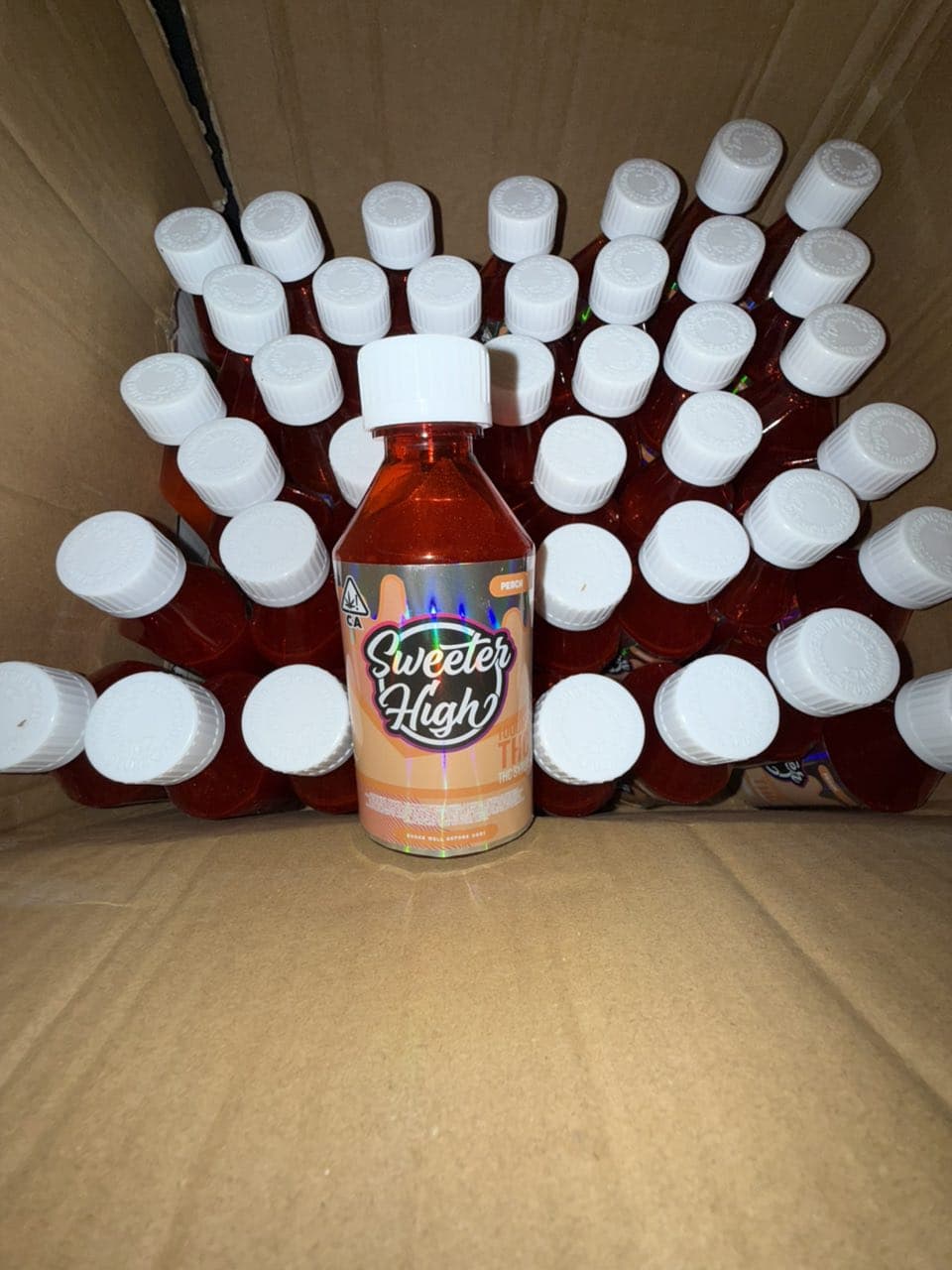


Redefining the World of Sweet Syrups
Sweeter high syrup have been a staple in culinary and beverage culture for centuries, but modern innovation has transformed them into far more than simple sweeteners. Today’s sweet syrup technology represents a fascinating blend of science, engineering, and sensory design, where every drop is the result of careful chemistry, precision formulation, and sustainability-driven innovation. No longer confined to the kitchen, syrups now occupy a critical place in industries ranging from food technology and functional nutrition to wellness, mixology, and flavor engineering. The evolution of this field demonstrates how a traditional ingredient has adapted to the demands of a modern, health-conscious, and environmentally aware society.
This new generation of syrup innovation is shaped by advances in molecular science, automation, and data analytics. Manufacturers can now manipulate sweetness, texture, and aromatic balance with laboratory accuracy. Whether developing a fruit concentrate, herbal infusion, or nutrient-enhanced syrup, formulation experts rely on cutting-edge techniques such as ultrasonic infusion, microencapsulation, and nanotechnology to create precise, stable, and functional products. At the same time, the consumer landscape has shifted: people increasingly prefer natural, low-calorie, and sustainably produced alternatives to traditional high-fructose syrups.
The Shift from Traditional Sweeteners to Smart Syrup Formulations
Historically, sweet syrups were made by dissolving sugar in water under heat, often infused with natural flavors like vanilla, mint, or citrus. This simple process produced delicious but limited results. Today, the science of syrup design extends far beyond taste—it involves understanding how molecular structure, viscosity, and chemical interaction influence sensory perception. The sweetness profile, color stability, and flow characteristics of a syrup are no longer left to chance; they’re engineered through data-driven formulation.
Modern sweet syrups use plant-based sweeteners such as agave, stevia, and monk fruit, which interact with taste receptors differently from sucrose. Formulators study these interactions at the molecular level to optimize sweetness perception curves—the rate at which sweetness is detected, peaks, and fades. The result is a cleaner, more natural taste experience that satisfies consumer preferences for reduced sugar while maintaining the rich mouthfeel associated with traditional syrups.
The Rise of Functional and Nutrient-Enriched Syrups
Beyond sweetness, syrups are becoming functional delivery systems for nutrients, antioxidants, and botanical extracts. By merging syrup formulation with modern nutraceutical technology, developers are creating products that provide both flavor and benefit. Ingredients such as vitamin C, adaptogens, amino acids, and herbal extracts are being integrated into sweet syrup bases, offering enhanced health appeal.
Achieving this level of sophistication requires advanced infusion methods to ensure consistent dispersion of bioactive compounds without degradation. Traditional heating methods are being replaced by cold infusion, ultrasonic vibration, and high-pressure blending, which allow formulators to preserve delicate flavors and active nutrients. These methods are particularly valuable for plant-based compounds sensitive to heat and oxygen.
This transformation from simple syrup to smart, functional liquid demonstrates the new identity of syrup as a technological innovation platform—one that balances flavor, nutrition, and science.
Technology Meets Taste: The Engineering Behind Modern Syrups
Modern syrup development is as much about engineering as it is about culinary creativity. The integration of AI-powered analytics and precision automation allows for the exact measurement and control of parameters like viscosity, density, and concentration. Automated systems monitor the entire process in real time, adjusting variables such as temperature and pH to ensure perfect consistency.
This technological precision has given rise to micro-batch innovation, where small, controlled runs allow for rapid prototyping of new flavors and formulations. It’s the same principle used in biotechnology labs—controlled variables, continuous data monitoring, and iterative optimization. The result is a class of syrups that can be fine-tuned to meet specific sensory goals, from sweetness intensity to aroma persistence and aftertaste clarity.
Sustainability and Ethical Formulation
As global industries pivot toward sustainability, syrup producers are embracing eco-friendly practices and transparent sourcing. Traditional refined sugars are being replaced with renewable, low-impact ingredients, while packaging innovations focus on recyclability and biodegradability. Many manufacturers have adopted closed-loop production systems that recycle water and reduce carbon emissions.
In addition, the use of plant-based raw materials from ethically sourced farms ensures traceability and environmental responsibility. This commitment to sustainability not only protects ecosystems but also aligns with consumer values, giving brands a competitive advantage in a conscious marketplace.
Why Sweet Syrups Matter in Modern Food Science
In the global food and beverage industry, Sweeter high syrup serve as multi-functional ingredients—carriers of sweetness, flavor, color, and nutrition. They influence texture, viscosity, and mouthfeel, acting as stabilizers and emulsifiers in numerous applications. As technology advances, syrups have become the ideal medium for experimentation, allowing scientists and flavorists to push boundaries in beverage innovation, confectionery design, and health-oriented product development.
From the chemistry of sucrose breakdown to the physics of viscosity and the artistry of flavor infusion, the study of sweet syrups provides valuable insight into how food science, sensory psychology, and sustainability converge. It’s not merely about making things taste good—it’s about designing experiences that appeal to the senses while supporting long-term ecological balance.
Conclusion: A New Age of Sweet Innovation
The Sweeter high syrup symbolizes how traditional culinary principles can evolve through the lens of science and technology. Sweet syrups are no longer just sweeteners—they are expressions of precision, sustainability, and creativity. They showcase what’s possible when chemistry meets craftsmanship and data meets design.
In the chapters that follow, we’ll explore the chemistry behind sweetness, the physics of texture, the biology of taste perception, and the innovative technologies driving the next generation of syrup design. This is more than an ingredient—it’s a scientific journey into the heart of flavor innovation.
Be the first to review “Sweeter high syrup”
Related products






Reviews
There are no reviews yet.